Artemis II Astronauts: Aboard the Orion Spacecraft's Advanced Toilet System
The Artemis II mission marks a significant leap forward in space exploration, not only in its ambitious journey to the Moon but also in the fundamental aspects of living in space. A key, often overlooked, challenge for astronauts is waste management. The Orion spacecraft, designed for these deep-space missions, features an advanced toilet system that represents a considerable evolution from the rudimentary "bags" used during the Apollo era.
This new space toilet, integrated into the Orion module, is engineered to function effectively in the microgravity environment. Unlike terrestrial toilets that rely on gravity to direct waste, these systems utilize suction and airflow to guide both solid and liquid waste. This innovative approach is crucial for maintaining hygiene and preventing contamination within the confined quarters of a spacecraft during extended missions.
While the technology is sophisticated and essential for the success of future lunar and potentially Martian endeavors, it has not been without its challenges. Early testing and development phases of the Orion toilet system encountered some operational hurdles. However, these issues were addressed and resolved, highlighting the rigorous testing and iterative design process inherent in developing reliable spaceflight hardware. The ability to manage waste effectively and with minimal fuss is a critical, albeit unglamorous, component of ensuring astronaut well-being and mission readiness.
From Apollo's Bags to Orion's Advanced Toilet
The contrast between the waste collection methods of the Apollo missions and the Artemis II mission is stark. Apollo astronauts relied on simple collection bags for solid waste, which were then secured and stored. Liquid waste was typically expelled overboard or collected in similar bags. This method, while functional for short durations, was cumbersome and presented significant challenges for hygiene and storage over longer periods.
The Orion toilet, on the other hand, is a much more integrated and sophisticated system. It aims to offer a more familiar and comfortable experience for astronauts, akin to using a toilet on Earth, while still operating under the unique conditions of space. This advancement is not merely about convenience; it directly impacts the psychological well-being of the crew and the overall efficiency of the mission. The success of Artemis II and subsequent missions hinges on the reliability of such life-support systems.
The evolution of the space toilet underscores NASA's commitment to making long-duration space travel more sustainable and habitable. As humans venture further into the solar system, the technologies that support basic bodily functions will become increasingly critical, and the Orion toilet system is a testament to this ongoing innovation.
English Translation:
How Artemis II Astronauts Go to the Bathroom
From Apollo bags to the Orion toilet: Artemis II introduces an advanced space toilet. Not without its challenges, but fundamental for future missions.
The Artemis II mission marks a significant leap forward in space exploration, not only in its ambitious journey to the Moon but also in the fundamental aspects of living in space. A key, often overlooked, challenge for astronauts is waste management. The Orion spacecraft, designed for these deep-space missions, features an advanced toilet system that represents a considerable evolution from the rudimentary "bags" used during the Apollo era.
This new space toilet, integrated into the Orion module, is engineered to function effectively in the microgravity environment. Unlike terrestrial toilets that rely on gravity to direct waste, these systems utilize suction and airflow to guide both solid and liquid waste. This innovative approach is crucial for maintaining hygiene and preventing contamination within the confined quarters of a spacecraft during extended missions.
While the technology is sophisticated and essential for the success of future lunar and potentially Martian endeavors, it has not been without its challenges. Early testing and development phases of the Orion toilet system encountered some operational hurdles. However, these issues were addressed and resolved, highlighting the rigorous testing and iterative design process inherent in developing reliable spaceflight hardware. The ability to manage waste effectively and with minimal fuss is a critical, albeit unglamorous, component of ensuring astronaut well-being and mission readiness.
From Apollo's Bags to Orion's Advanced Toilet
The contrast between the waste collection methods of the Apollo missions and the Artemis II mission is stark. Apollo astronauts relied on simple collection bags for solid waste, which were then secured and stored. Liquid waste was typically expelled overboard or collected in similar bags. This method, while functional for short durations, was cumbersome and presented significant challenges for hygiene and storage over longer periods.
The Orion toilet, on the other hand, is a much more integrated and sophisticated system. It aims to offer a more familiar and comfortable experience for astronauts, akin to using a toilet on Earth, while still operating under the unique conditions of space. This advancement is not merely about convenience; it directly impacts the psychological well-being of the crew and the overall efficiency of the mission. The success of Artemis II and subsequent missions hinges on the reliability of such life-support systems.
The evolution of the space toilet underscores NASA's commitment to making long-duration space travel more sustainable and habitable. As humans venture further into the solar system, the technologies that support basic bodily functions will become increasingly critical, and the Orion toilet system is a testament to this ongoing innovation.
Fresh materials — Serie A

Noemi Bocchi's Dance Moves Impress, She Opens Up About Totti and Her Past
Noemi Bocchi is showing strong potential on the dance floor, with excellent early signs. Her dance partner, Giovanni Pernice, is known for his competitive drive. Bocchi, however, has already achieved a personal victory by surpassing her own expectations in her television debut. She pe

Baskonia Secures First Euroleague Win Against Olimpia Milano
Olimpia Milano lost to Baskonia in Spain during the third round of the Euroleague, falling 87-76. The Italian champions struggled with a slow start and errors in the final moments. Baskonia established an early lead, finishing the first quarter up 26-16. Milano improved their s

Italy's Draw with France: A Victory in Disguise
Italy's first draw with France in nineteen years feels like a win. It halts a string of defeats against the French (four losses in the five matches before October 2nd, and nine overall in the last sixteen encounters). After a masterful free-kick by Olise, which would be a Ballon d'Or contender if Y

Maxima Roma Dominates Eurocup Opener, Defeating Cluj Napoca 89-55
Maxima Roma made a dream debut in the Eurocup, crushing Romanian side U-BT Cluj-Napoca 89-55 at the Palazzetto dello Sport. The team displayed a strong performance throughout the match. Camara scored two consecutive baskets, including a slam dunk, extending the lead. Beslac m
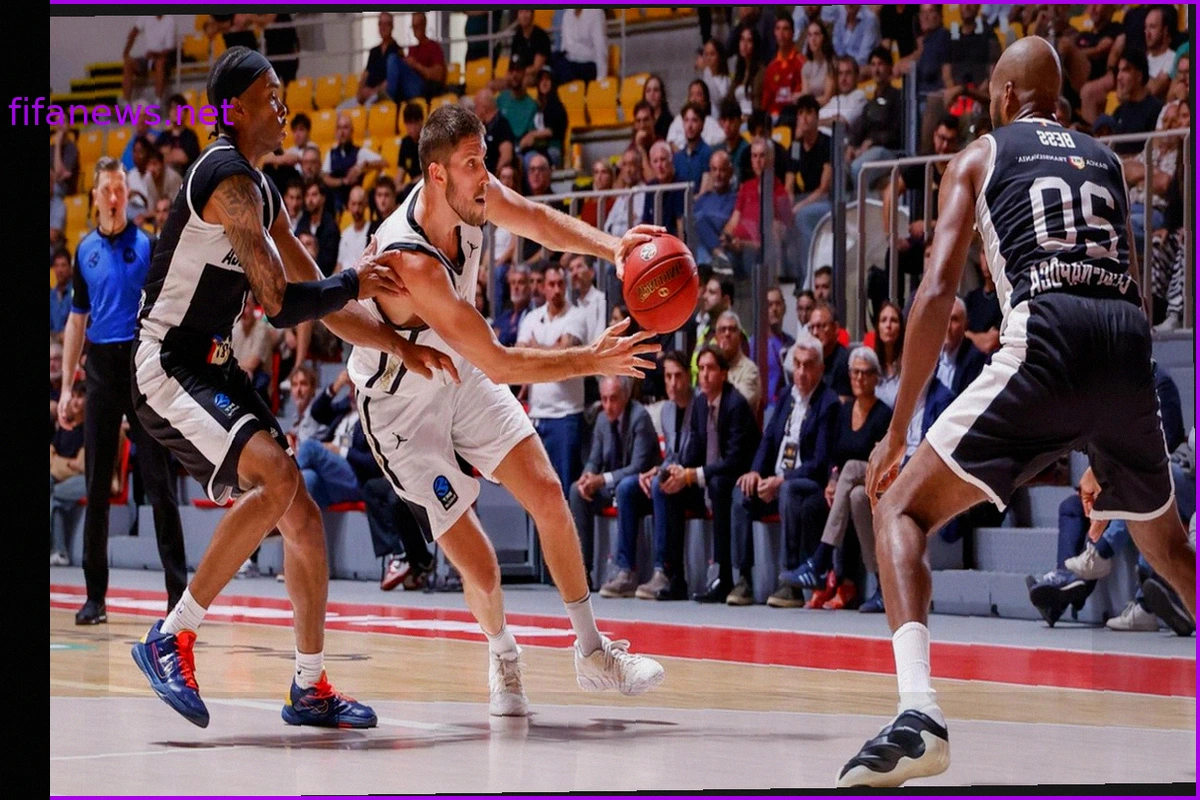
Maxima Roma Dominates Cluj-Napoca in Eurocup Debut, 89-55
Maxima Roma kicked off their Eurocup campaign with a decisive 89-55 victory over Romania's U-BT Cluj-Napoca at the Palazzetto dello Sport. The home team established control early and maintained a significant lead throughout the match. The first quarter saw Maxima Roma build a substantial
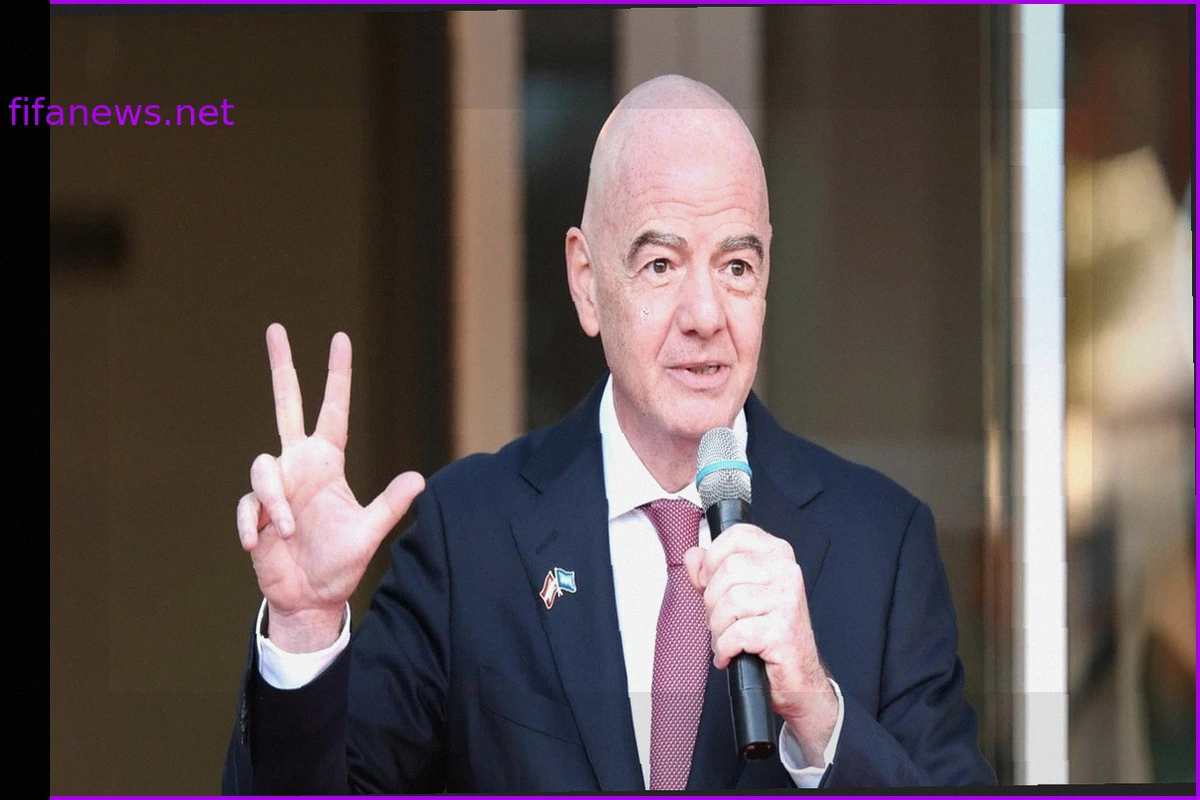
Swiss Football Federation Withdraws Support for Gianni Infantino, Citing Transparency Concerns
The Swiss Football Federation (ASF) has rescinded the support it offered to Gianni Infantino last June. The FIFA president, currently the sole candidate for the 2027 elections, no longer has the backing of his home country's federation. The ASF announced this decision after a thorough